

This post contains affiliate links, which means I make a small commission at no extra cost to you. See my full disclosure here.
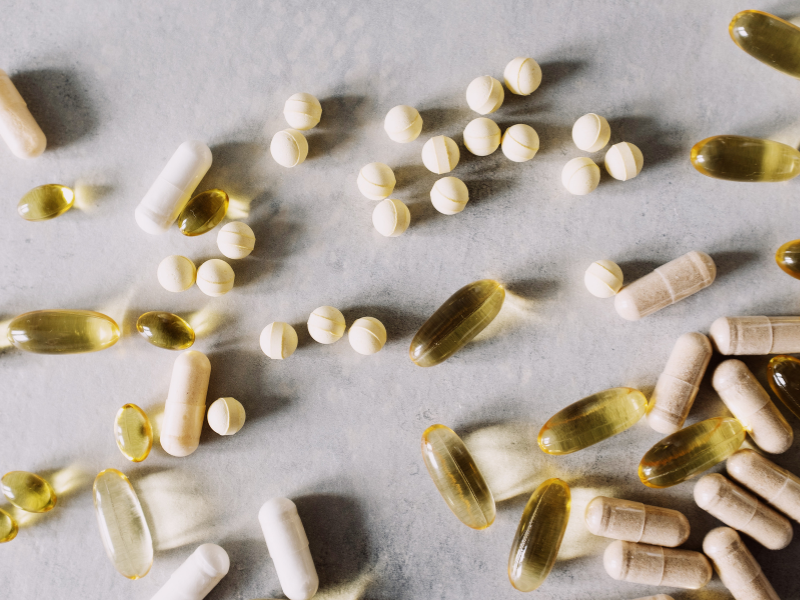
As the years go on the list of ‘necessary’ prenatal supplements just gets longer and longer. What is really necessary? In this article I share my experience and the knowledge of other wise woman on what prenatal supplements are REALLY necessary.

Disclaimer. I am not a nutritionist or Doctor, I talk from personal experience and research as a mom of almost 5 children with a few miscarriages behind me and the experience of other seasoned moms.
The truth is, everyone has different circumstances and resources. The most important principle to take form this article is, to eat REAL FOOD. Just start somewhere. Starting with research into health can be overwhelming at first, but it is not all for nothing. Your health is extremely important and worth the time and energy to research. Especially if you are expecting and have a growing family. Then your kids health are also your responsibility. What you feed them while they are growing does have a life-long effect for them. During the first few years of life they are forming their foundation of health for the rest of their lives. That is kind of a big deal.
And it all starts with your health and what you choose to nourish yourself with during pregnancy.
Why do we need supplements during pregnancy?
I wish I could say that supplements are not necessary with a good diet. But unfortunately our food sources has severely decreased in quality.
Due to poor soil, genetically modified seeds for larger harvests, pesticides and herbicides sprayed, being harvested too early, chemically ripened, laying on the shelf for how long before we buy it, animals injected with antibiotics and growth stimulants.
Not even if we buy all organic are we guaranteed to receive the best quality food, and only a small amount of people can truly afford it to keep buying organic with a household of 4+ people in it!
The best circumstances are if we can buy at a farmers market or even better, grow our own produce. If only that was possible for more people.
So, my point is. The average quality of the food we eat is by far not the same as it was 100-200 years ago and thus it might be a good idea to supplement with the nutrients and supplements we know we need in this sensitive time of being pregnant.
How do I know what supplements I need?
This can be tricky. There is not a ‘one size fits all’ supplements. If you can find a health professional that can test your body for exactly what you are deficient in, that will be your best starting point.
If that is not an option, you will have to analyse yourself and do some research, being very critical to any symptoms. Now keep in mind your pregnancy, what baby needs to thrive and what your body absolutely will need in the next few months ahead. Luckily there are clever people that have done the research and proven studies for what mom and baby needs during this period of rapid growth and development.
What prenatal supplements are really necessary under normal circumstances, and why?
We will assume that you are low risk with a decently healthy lifestyle. These nutrients should still be part of your regular, everyday diet for a healthy pregnancy and providing everything your baby needs to grow and develop well:
Folate
Omega 3
Calcium
Magnesium
Iron
Vitamin B
Vitamin D
Vitamin C
Collagen
Foods super rich in nutrients to strongly consider adding to your everyday diet
Why bother trying to eat the nutrients your body needs when you can just ‘pop’ a few pills?
Here is why:
- Your body recognises real food. Chemically produced supplements can only be partially recognised and absorbed by your body, the rest are just excreted. How nice is that? Money literally down the drain…
Bone Broth
Preferably from a grass fed source. This is the most inexpensive place to start, even if you can not afford grass fed at first, start here. The nutrients and benefits in bone broth are countless for general wellbeing, healing properties during sickness and amazing benefits in times of stress and when your body has to work super hard, such as with pregnancy and especially postpartum.
When part of a regular diet during pregnancy all these benefits and nutrients are available to your baby for optimum growth and development.
Some of the benefits are:
- Protein source
- Collagen
- Easily digestible on a sensitive stomach or intestines
- Gelatin
- Iron
- Magnesium
- Phosphorus
Leafy greens and seasonal fruits and vegetables
Your best bet to find nutrient rich produce if you have to buy is to shop seasonally. This means that the food you buy are probably not harvested before it was ripe, and kept chemically ‘fresh’ for long periods. If you can shop local, all the better. Try to include a variety in your diet, especially with leafy greens, as each type has a different nutrient structure. Which include:
- Folate
- Calsium
- Magnesium
- Potassium
- Vitamin A
- Vitamin C
- Vitamin K
- Vitamin E
Herbs and spices
Spices like: Garlic, ginger, turmeric, cinnamon, cloves, cayenne. Herbs like: Rosemary, thyme, oregano, parsley, peppermint. Experiment and get comfortable cooking with these herbs and spices as they can take your food to the next level of flavour and on top of that add wonderful health benefits.
“There is now ample evidence that spices and herbs possess antioxidant, anti-inflammatory, antitumorigenic, anticarcinogenic, and glucose- and cholesterol-lowering activities as well as properties that affect cognition and mood.”
Full article here.
NORA tea
Stands for: Nettle, Oats straw, Rasberry leaf and Alfalfa. You combine the loose leaves and steep in boiling water for 8 hours. Save to consume from 16 weeks of pregnancy. Here are the health benefits and nutrients of this wonderful tea:
- Tones the uterus
- Prevents anemea
- Can reduce postpartum bleeding
- Reduce anxiety and stress
- Regulate hormones
- Iron rich
- Potassium
- Calcium
- Magnesium
- Copper
- Vitamin C
- And much more
Consume 1-4 cups per day.
Grass fed meat
If you have ever wondered if grass fed is really worth all the show it receives. Just consider these few facts. Grass fed meat has:
- Two times the amount of lutein and beta-carotene compared to grain-fed.
- 500–800 mg of CLA, which is up to three times the amount over grain-fed beef.
- Up to 3.5 grams of omega–3 fats in grass fed beef (the maximum amount for grain-fed is 1 gram).
Full article from Heartstonefarm
It also is better for your cardiovascular health as it has Vitamin E and less LDL cholesterol.
Grass fed beef contains nutrients such as:
- Protein
- High levels Omega 3 fatty acids
- Potassium
- B Vitamins
- Vitamin E
- Choline
- And more
Organ meats from grass fed animals
Organ meats are packed with nutrients, just tasting them should convince you of that. It is recommended to eat either liver or kidneys once a week to give your nutrition a good boost. Organ meats contains nutrients such as:
- High amounts of iron
- Protein
- Vitamin A
- Selenium
- Zinc
- B Vitamins (especially B120
- Copper
Eggs from pasture raised chickens
Compared to commercial eggs, pastured-raised eggs have:
- 2-3 times more vitamin A.
- Three times more vitamin E.
- Significantly higher in vitamins D and K.
Full article at Understanding Ag
Raw milk and butter from trusted source
This may be controversial and I will leave it up to your own judgement to decide if you are comfortable with consuming raw milk. In my personal research and opinion, I believe that when getting raw milk from a trusted source, health certified supplier or from your own dairy cow that you have cleanliness practices in place, it can be a wonderful and nutritive addition to your every day diet. Even during pregnancy. Being hygienic is absolute key. Here are some nutritional benefits of adding raw milk and grass fed butter to your diet:
- Calcium
- Iron
- Phosphorus
- Zinc
- Vitamin A
- Vitamin D
- Vitamin K
- CLA
- Saturated fats
- Omega-3 fatty acids
- Beneficial enzymes
- Probiotics
Organic whole grains
Commercially farmed grains these days are pushed for quantity, not quality. It is modified to have the largest yield possible, sprayed with chemicals, and mass produced. All which effect the quality of the end product. If at all possible, we try to choose the healthiest option available. Examples of good whole grain options are: Oats, different varieties of rice (White, brown, Wild rice, basmati, jasmine, short grain rice), wheat, spelt, corn, millet, amaranth, quinoa and more. Here are the benefits of consuming good quality grains:
- Fibre
- Protein
- Magnesium
- Manganese
- Phosphorus
- Antioxidants
- Iron
- Zinc
- B vitamins
- Copper
- Selenium
Nuts and seeds
Can decrease inflammation, decrease risk of heart disease, rich in antioxidants, good for gut health, keeping blood sugar regulated. Nuts like: Macadamia, pecan, cashew, almond, walnut, pistachio, etc. Seeds like: Pumpkin, sunflower, chia, flax, sesame, etc. Here are a few nutritional benefits of adding nuts and seeds to your regular diet:
- Protein
- Healthy fats
- Fibre
- Vitamin E
- Calcium
- Magnesium
- Potassium
- Manganese
- Lots more vitamins and minerals
Wide variety of mushrooms
7 health benefits of mushrooms
- Decrease the risk of cancer. …
- Lower sodium intake. …
- Promote lower cholesterol. …
- Protect brain health. …
- Provide a source of vitamin D. …
- Stimulate a healthier gut. …
- Support a healthy immune system.
Full article at UCLA Health
Variety of seaweed
Very good for thyroid health and hormone regulation. Help keep blood sugar levels and cholesterol under control.
- Sodium
- Magnesium
- Phosphorus
- Iodine
- Potassium
- Iron
- Zinc
- Vitamin A
- Vitamin C
- Vitamin E
So what is the conclusion of what prenatal supplements are really necessary?
Yes, all of us go through phases of chaos, when our circumstances are very challenging and we feel overwhelmed, burnt out and feel like trying to prepare healthier food is just asking one too much of us at this moment.
That is OK. Just breathe, do the next thing, and before you know it a few weeks has passed and you maybe are able to focus on one more thing. Just give yourself grace, and do not give up. As soon as you feel up for it, see your family’s and your health as a priority, do the research and add one new thing at a time.
Do the best you can with the information and the resources you have.
Further Reading On Pregnancy, Birth and Postpartum
5th Pregnancy – You never know everything – What I have learned

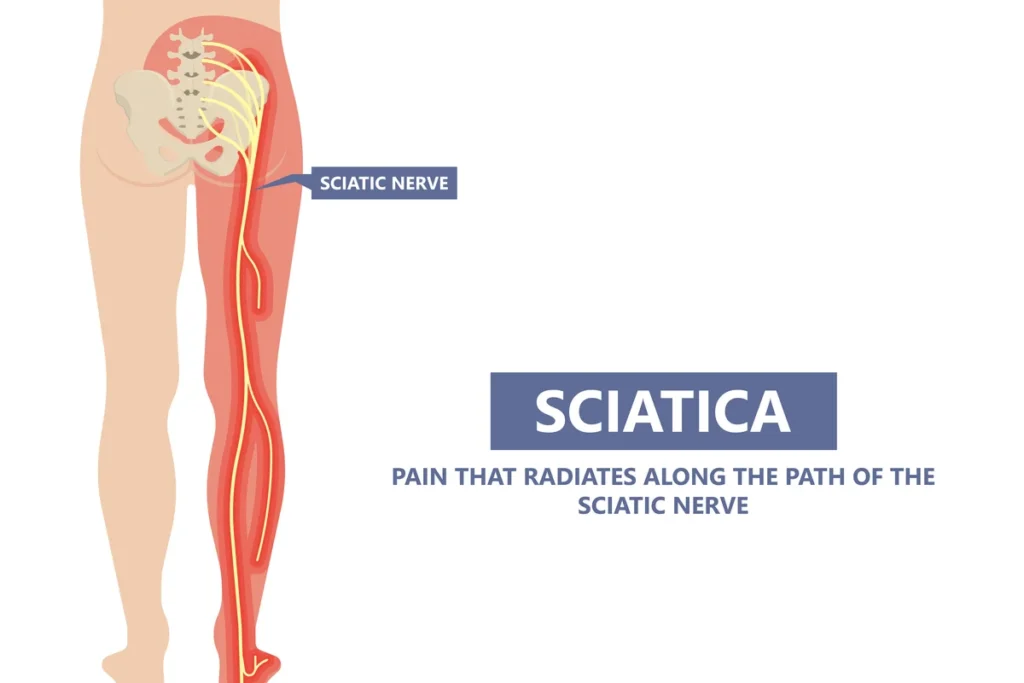
Sciatica, Piriformis syndrome and Relaxin during pregnancy
Preparing for a POSITIVE, CALM birth

What Prenatal Supplements are really necessary?
Books on Preparing for Birth and Postpartum

Husband-Coached Childbirth (Fifth Edition): The Bradley Method of Natural Childbirth
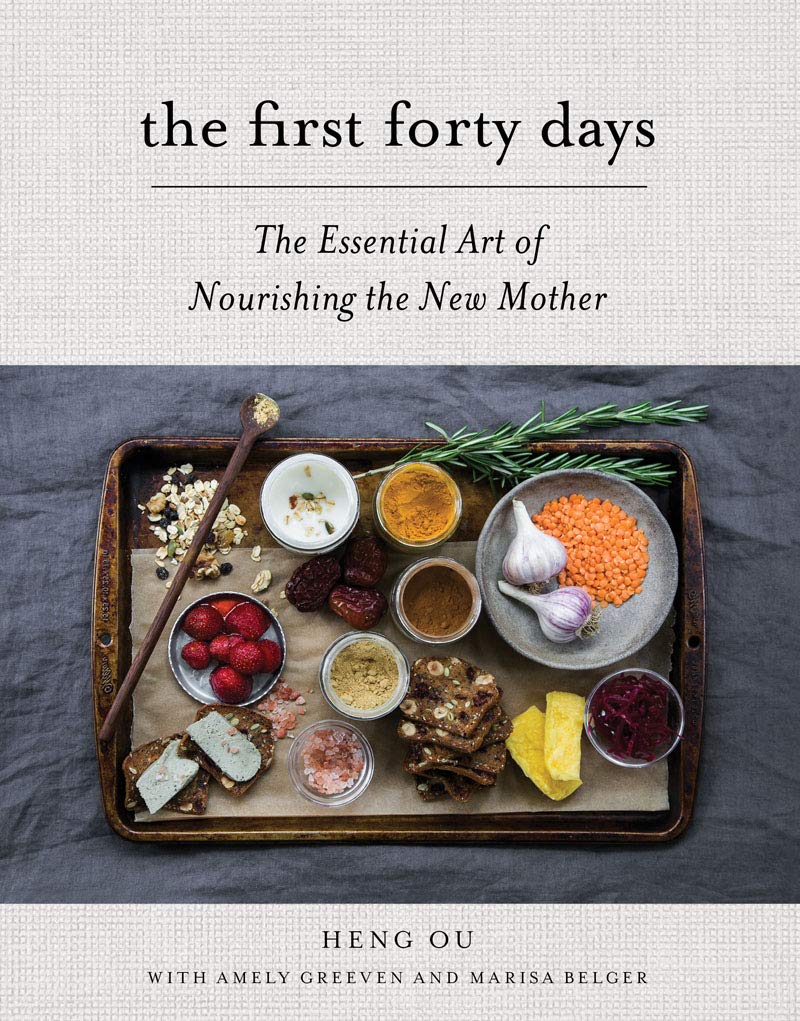
The First Forty Days: The Essential Art of Nourishing the New Mother
One Response