This post contains affiliate links, which means I make a small commission at no extra cost to you. See my full disclosure here.
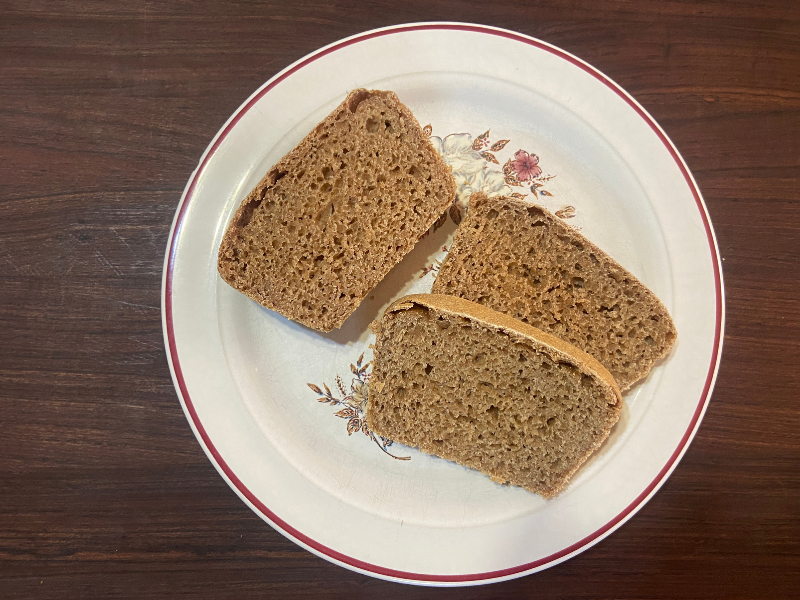
I must admit, I was sceptical. But this bread really surprised me. In flavour and texture. This 100% Whole Grain Spelt Sourdough Bread has a beautiful mild nutty flavour and so much softer that I expected! I am sure it will not disappoint you, give it a try!
What is so special about spelt flour?
Spelt is an ancient grain and one of three ancient grain varieties, the other two is emmer and einkorn. The ancient grains did not give as much yield as the other wheat varieties and thus was never developed and pushed to supply a large demand. Thus it kept most of its original nutrients and today is seen as a much healthier option to modern wheat varieties.
With development modern wheat varieties where modified to yield even bigger crops because of demand. This made the nutrient density much less than the original grains.
Does spelt have gluten?
Spelt has less gluten than wheat, but still contains some gluten. Thus people with ciliac disease or that are allergic to gluten should not consume products made with spelt flour.
Is spelt healthier than wheat?
Yes ancient grains like spelt, emmer and einkorn are more nutrient dense than modern wheat varieties. It is also easier for our bodies to recognise and digest even before fermenting with sourdough.
Some Facts about Sourdough and bread baking
- Wild yeast and good bacteria works together to form a leavening agent. It also consumes proteins and starches while excreting carbon dioxide.
- All grains has phytic acid present that protects the grain but also is very hard for humans to digest, and can cause bloating and discomfort. During the fermentation process with sourdough this phytic acid is broken down and the nutrients of the grain is made much more available for the human body to use and absorb.
- Some of the yeast present in your sourdough starter comes from your hands. This is not a bad thing. It actually results in every starter being truly unique to you and your home.
- Sourdough is lower GI than conventional leavened bread.
- Lactic acid causes the sour taste.
- Temperature is everything. The ideal temperature for dough at any stage is 28°C (82°F). The usual recipes and times are based on this temperature. If your home temperature is higher or lower, it will effect the dough drastically. When trying to let the dough rise and the temperature drop to 20°C (68°F) or lower, your dough will practically come to a standstill.
- Ways you can control temperature in your home:
1) Aircon.
2) Use either warm water (up to 60°C) or cold water, depending on the requirement. - Humidity also can make the dough rise slower or faster.
- Altitude also effect the way sourdough starter and dough behaves.
- Wet your hands when stretching and folding or coil folding. This will help the dough to not stick to your hands.
- Salt has more than one important property in Sourdough bread and bread baking.
- Salt gives flavour beyond what most people expect.
- Sourdough bread is naturally preserved with salt and lactic acid.
- Salt helps to build a stronger gluten network.
- Salt slows dough fermentation.
- Sourdough Starter does not die easily.
- Toss your Sourdough Starter when:
- There are visible, fuzzy green mould on top.
- You can see pink or orange bacteria growing.
Ingredients For 100% Whole Grain Spelt Sourdough Bread
350g Water
500g 100% Whole Grain Spelt Flour
100g Starter
10g Salt
Method For 100% Whole Grain Spelt Sourdough Bread
- Mix water and flour into a shaggy dough, cover and let rest to autolyse for 1 hour.
- Add starter and salt and mix well.
- Do 3 sets of coil folds over a 2 hour period.
- Let rise until about 50%.
- Prepare a bread pan and grease with butter.
- Use a plastic dough scraper to remove dough from bowl.
- Wet hands and shape dough loosely into a log and place in the bread pan.
- Press gently to distribute dough evenly.
- Cover and let rise until dough reaches top of bread pan.
- Move dough to fridge for over night fermentation.
- To bake: Preheat oven to 200°C.
- Bake straight from the fridge fro 45-50minutes.
- Remove from the oven and let sit in the bread pan for 10min.
- Remove from bread pan and wrap in cloth so it does not dry out.
- For best texture wait at least 1 hour before cutting.
Variations Of 100% Whole Grain Spelt Sourdough Bread
- Play around with combining different flours for different textures, taste and crumb structure.
- Use a combination of white spelt flour and whole wheat spelt flour, or wheat flour if wheat is not a concern for you.
- Add sunflower seeds or pumpkin seeds for extra texture and added nutrients.
100% Whole Grain Spelt Sourdough Bread
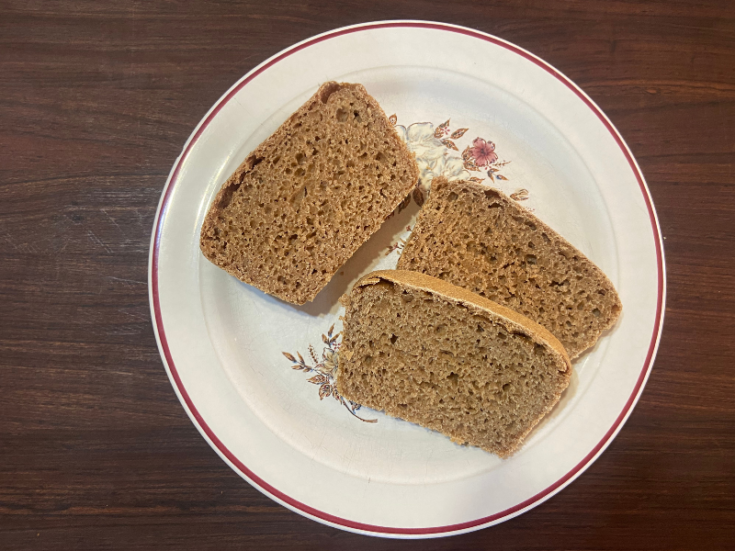
A beautiful combination of nutty, sweet and slightly sour flavour, with a soft, somewhat dense crumb. Lovely experience to eat this bread, thinking about the history it has.
Ingredients
- 350g Water
- 500g 100% Whole Grain Spelt Flour
- 100g Starter
- 10g Salt
Instructions
- Mix water and flour into a shaggy dough, cover and let rest to autolyse for 1 hour.
- Add starter and salt and mix well.
- Do 3 sets of coil folds over a 2 hour period.
- Let rise until about 50%.
- Prepare a bread pan and grease with butter.
- Use a plastic dough scraper to remove dough from bowl.
- Wet hands and shape dough loosely into a log and place in the bread pan.
- Press gently to distribute dough evenly.
- Cover and let rise until dough reaches top of bread pan.
- Move dough to fridge for over night fermentation.
- To bake: Preheat oven to 200°C.
- Bake straight from the fridge fro 45-50minutes.
- Remove from the oven and let sit in the bread pan for 10min.
- Remove from bread pan and wrap in cloth so it does not dry out.
- For best texture wait at least 1 hour before cutting.
My favourite Sourdough gadgets
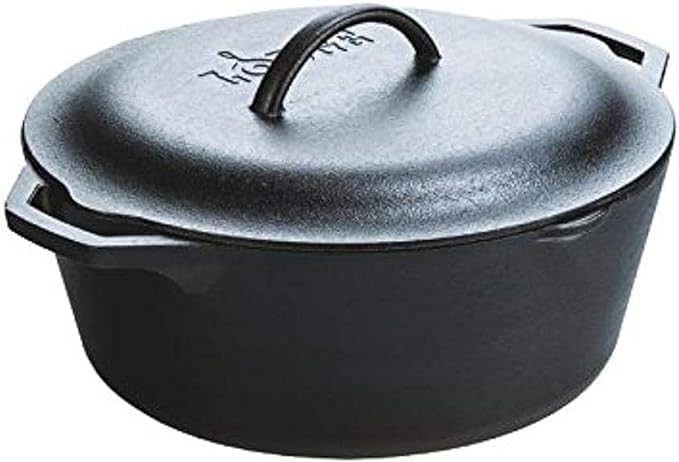
Cast iron dutch oven
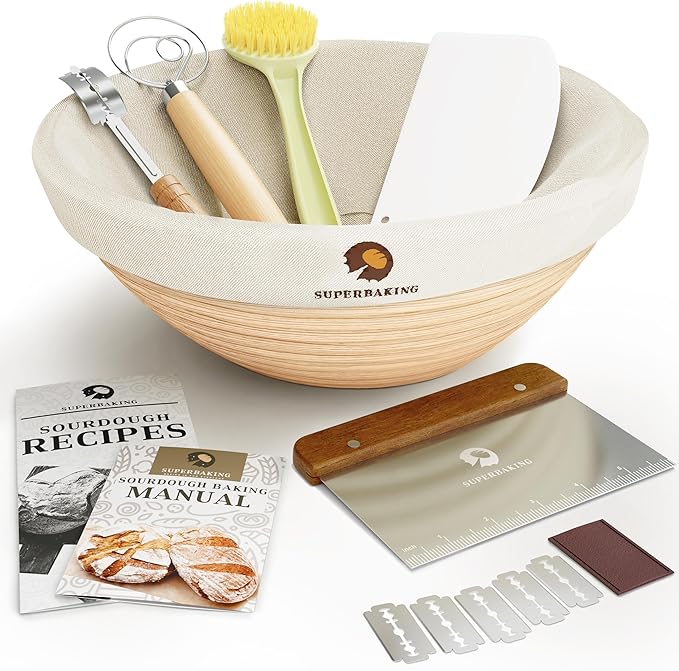
Sourdough kit
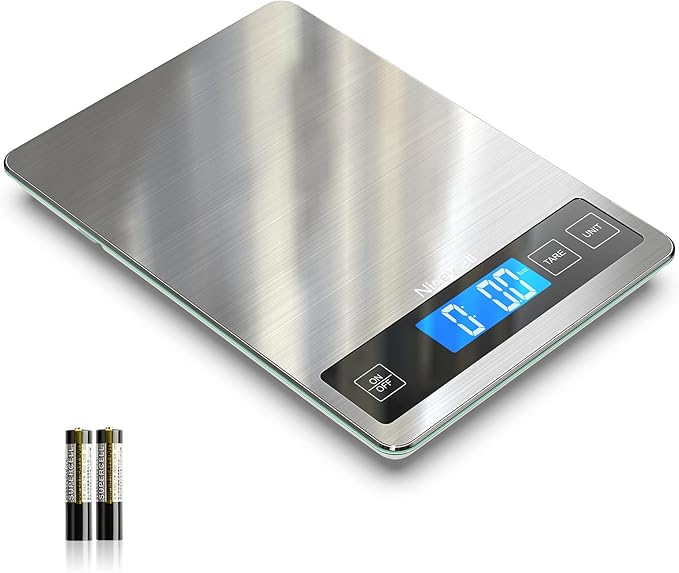
Kitchen scale
More Sourdough Recipes You Would Want To See
Interesting Further Reading You Might Like
Double Chocolate (Healthy) Baked Cheesecake
Healthy Spiced Milk For Winter
Links To My Favourite Kitchen Gadgets