

This post contains affiliate links, which means I make a small commission at no extra cost to you. See my full disclosure here.
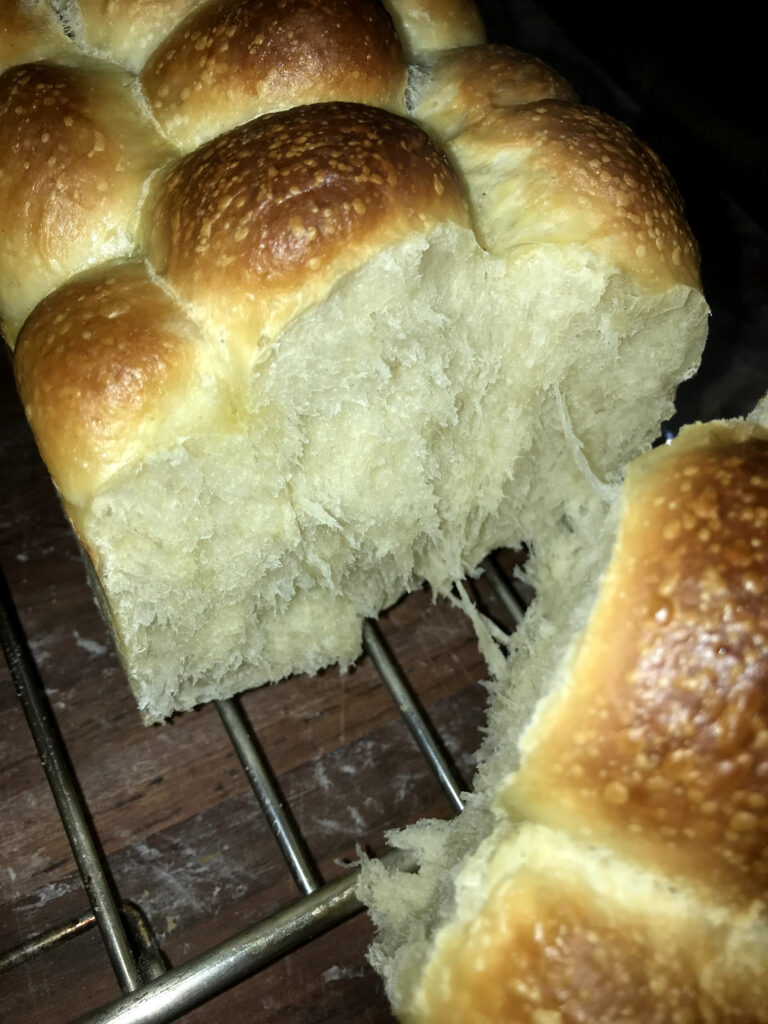
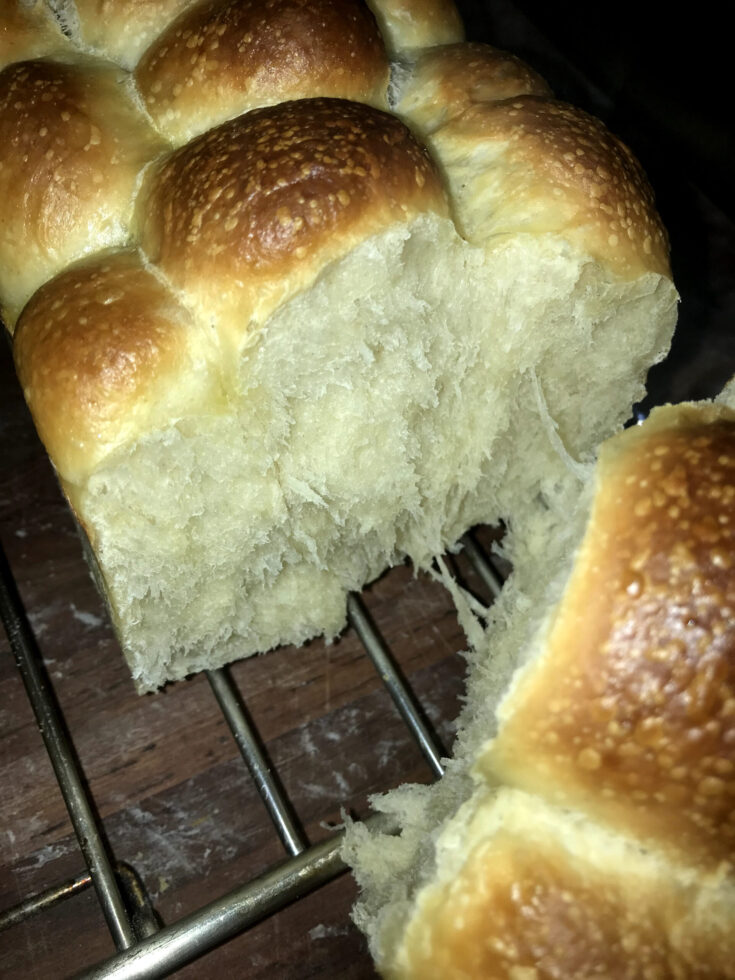
Soft, buttery, light, delicious. Have this Sweet Sourdough Dinner Rolls or South African “Boerebeskuit” for Breakfast, Lunch, Dinner, Dessert or a snack!
Ingredients
666g White Bread Flour
135g Luke warm Milk
200g Active Sourdough Starter
190g Melted butter or flavourless oil like Coconut oil
190g Eggs
150g Sugar
11g non-iodised Salt
Butter for coating dish/bread pan and for basting the top after baking.
Equipment needed
- 2 Separate mixing bowls, one with a lid for bulk rise.
- Dough scraper for easy dividing without tearing the dough.
- Kitchen scale if preferred, (you can just eye-ball the size of-course).
- Bread pan or ovenproof dish of choice.
METHOD
Mix
- Mix flour, sugar and salt.
- In a separate bowl beat the eggs until well mixed, add all the rest of the wet ingredients: milk, starter, melted butter or oil (careful not too hot or it will kill the starter, and mix.
- Mix first and second mix until well mixed.
- Close with a lid or wet cloth and let rest for 15-20min.
Time to knead!
- This is a sticky dough, do not be tempted to add more flour or it will just get stiff and the end result will not be as soft. This part can take anything from 10 – 30 min, depending on how vigorous you are kneading, and the amount of dough. Sometimes it is a good idea to divide the dough into smaller sections and kneading them separately.
Rise to double
- When you are satisfied with good gluten development, (nice smooth dough, when doing the windowpane test, you can easily stretch the dough to a thin see-through ‘window’ without taring.), you can put dough into an airtight container and ‘forget about it’. Seriously, it is winter at this very moment and my dough was on the counter for 24hours to do bulk rise/ferment. Your indication that bulk fermentation with this dough is complete is that it doubled in size. In summer I would leave it on the counter for about 4hours and then move it to the fridge for overnight cold retard (to develop flavour and for the starter to eat most of the gluten).
Dividing
- Right, it has doubled in size, whether all night on the counter or finished in the fridge. Now it is time to divide into desired portion sizes. You can use a normal bread pan and divide with a dough scraper (do not tare the dough) portions of about 60g or golfball-size balls.
Shaping
- You can use some flour on your hands in this phase, but be careful for too much, as you will not get the tention needed if the dough does not stick to itself. Press the dough gently into disc shape and fold it into the middle from al sides. Go around until it doesn’t want to stretch any more. Turn it seam-side down on the clean table (no flour), and roll it in a circular motion under a cupped hand to tighten further and to seal the seam.
- Place into a buttered dish of choice. At this point you can roll the balls in a little flour before packing into the dish/bread pan, this will help the balls not to stick too much to each other, and as they rise will not ‘melt’ into each other, but staying neat, individual balls. If you pack them tight against each other, they will rise to be very tall. This shape we traditionally call ‘Boerebeskuit’ or rusks. Alternatively, you can pack them loosely and end up with beautiful, small, sweet dinner rolls.
Rise before baking
- This is the most difficult part of this recipe. Waiting for it to be ready to bake! You do want it to be at least double in size, or if you want to push it a little further, until you can see bubbles in just under the surface of the dough. Do not rush this step, just be patient and your patience will pay off!
Pre-heating your oven
- When you are satisfied with the way it has risen, it is time to pre-heat your oven. Pre-heat to 200°C or about 20min.
Bake!
- Finally! Spray or mist the top of your rusks/rolls and put on the middle shelf in your oven for 45min. Check to see if the tops are not burning. If it gets a little dark, put another baking tray or foil over the top to stop it from browning further. Bake for another 10-15min.
Rest
- When removing from the oven, let it rest in its dish/pan for 10min. This will help it to sweat a little and very easily pop out. While it is resting you can ‘baste’ it with melted butter for extra flavour.
Devour!
- Remove form dish/pan and try not to burn yourself when you grab and devour that first piece!
Variations
- Cheesy. Just add shredded cheese on top of the bread rolls for the last 10-15min baking time to ensure it does not get burnt, but melt perfectly into every nook and cranny. YUM!
- Garlic and herb. Mix garlic and chopped parsley with the butter that you brush on the top.
Stay tuned for the ‘Checkers’ variation, coming soon!

Something interesting about South African “Boerebeskuit”
So this type of rusk is as old as is our history of being “Boere”. Baked the same way as bread, and very often eaten before it ever gets to being ‘dried’. As is, or dunked in a cup of freshly brewed, steaming hot coffee, soaking up about half of the coffee with just one rusk. Dripping and spilling everywhere, but that is just how it should be and part of the experience! Just have some napkins ready and nearby.
It also is very common to add a teaspoon of anise seeds in the mixing stage for “Anys Boerebeskuit”.
If you prefer the dried version, just break the pieces apart after baking and slightly cooled. Put on baking sheets and dry in the oven at 100°C for about 5hours. Believe me, if you serve this to anyone visiting, they will beg for more, and be your best friend from then on!
Sweet Sourdough Dinner Rolls or "South African Boerebeskuit"
Ingredients
- 666g White Bread Flour
- 135g Luke warm Milk
- 200g Active Sourdough Starter
- 190g Melted butter or flavourless oil like Coconut oil
- 190g Eggs
- 150g Sugar
- 11g non-iodised Salt
Instructions
- Mix flour, sugar and salt.
- In a separate bowl beat the eggs until well mixed, add all the rest of the wet ingredients: milk, starter, melted butter or oil (careful not too hot or it will kill the starter, and mix.
- Mix first and second mix until well mixed.
- Close with a lid or wet cloth and let rest for 15-20min.
- Time to knead! This is a sticky dough, do not be tempted to add more flour or it will just get stiff and the end result will not be as soft. This part can take anything from 10 - 30 min, depending on how vigorous you are kneading, and the amount of dough. Sometimes it is a good idea to divide the dough into smaller sections and kneading them separately.
- When you are satisfied with good gluten development, (nice smooth dough, when doing the windowpane test, you can easily stretch the dough to a thin see-through 'window' without taring.), you can put dough into an airtight container and 'forget about it'. Seriously, it is winter at this very moment and my dough was on the counter for 24hours to do bulk rise/ferment. Your indication that bulk fermentation with this dough is complete is that it doubled in size. In summer I would leave it on the counter for about 4hours and then move it to the fridge for overnight cold retard (to develop flavour and for the starter to eat most of the gluten).
- Right, it has doubled in size, whether all night on the counter or finished in the fridge. Now it is time to divide into desired portion sizes. You can use a normal bread pan and divide with a dough scraper (do not tare the dough) portions of about 60g or golfball-size balls.
- Shaping: You can use some flour on your hands in this phase, but be careful for too much, as you will not get the tention needed if the dough does not stick to itself. Press the dough gently into disc shape and fold it into the middle form al sides. Go around until it doesn't want to stretch any more. Turn it seam-side down on the clean table (no flour), and roll it in a circular motion under a cupped hand to tighten further and to seal the seam.
- Place into a buttered dish of choice. At this point you can roll the balls in a little flour before packing into the dish/bread pan, this will help the balls not to stick too much to each other, and as they rise will not 'melt' into each other, but staying neat, individual balls. If you pack them tight against each other, they will rise to be very tall. This shape we traditionally call 'Boerebeskuit' or rusks. Alternatively, you can pack them loosely and end up with beautiful, small, sweet dinner rolls.
- Rise before baking: This is the most difficult part of this recipe. Waiting for it to be ready to bake! You do want it to be at least double in size, or if you want to push it a little further, until you can see bubbles in just under the surface of the dough. Do not rush this step, just be patient and your patience will pay off!
- Pre-heating your oven: When you are satisfied with the way it has risen, it is time to pre-heat your oven. Pre-heat to 200°C or about 20min.
- BAKE! Finally! Spray or mist the top of your rusks/rolls and put on the middle shelf in your oven for 45min. Check to see if the tops are not burning. If it gets a little dark, put another baking tray or foil over the top to stop it from browning further. Bake for another 10-15min.
- Let rest. When removing from the oven, let it rest in its dish/pan for 10min. This will help it to sweat a little and very easily pop out. While it is resting you can 'baste' it with melted butter for extra flavour.
- Remove formdish/pan and try not to burn yourself when you grab and devour that first piece!
More Sourdough Baking
- Easy Everyday Sourdough Recipe – with a secret
- Cheesy Cheddar Sourdough Bread
- Sourdough Chocolate Bread
My favourite Sourdough gadgets
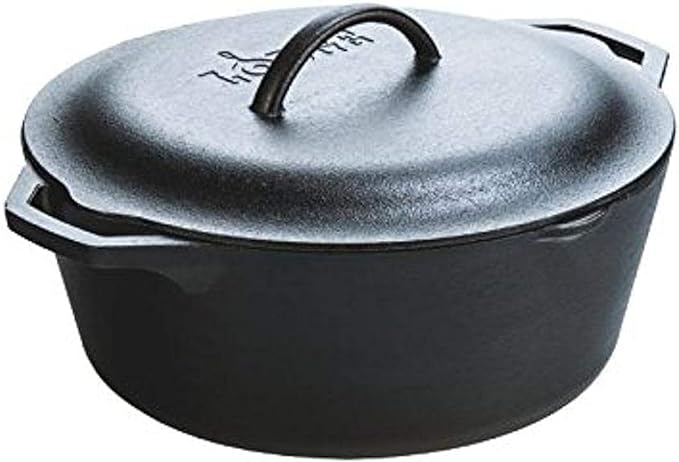
Cast iron dutch oven
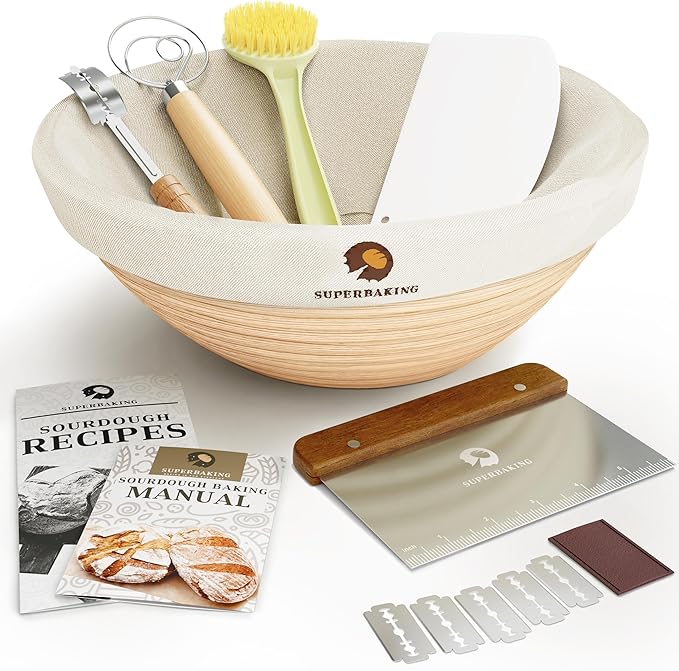
Sourdough kit
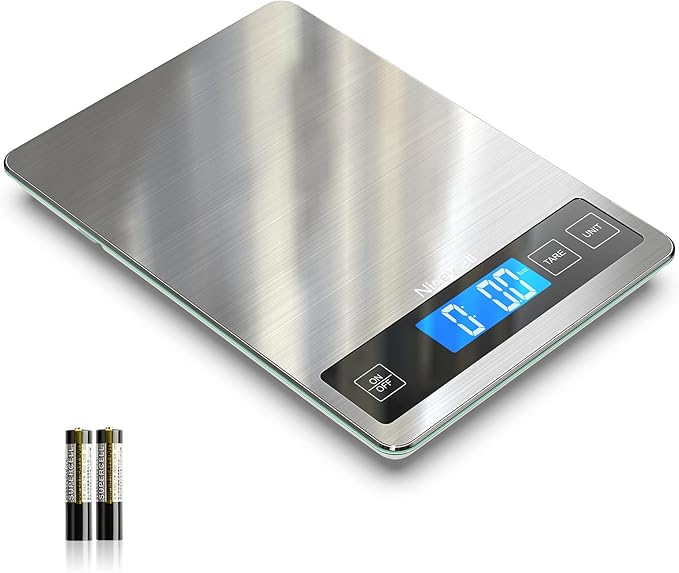
Kitchen scale
Infra-red thermometer

4 Responses